A Practical Guide to Choosing Organic Cotton Sheets for Urban Sleep
An editorial overview of fabric, weave, and certification that shape comfort, temperature control, and durability in small city bedrooms.
In the rhythm of city life, sleep quality is a quiet determinant of daily performance. From the dim glow of a late-night screen to the unpredictable climate of a compact urban apartment, sheets made from organic cotton offer a foundation for restorative rest. This guide distills key distinctions—fabric weight, weave, and formal certifications—so readers can select bedding that not only feels good against the skin but also supports sustainable, health-conscious living in the urban environment.
Keywords: organic cotton sheets, sleep environment, urban bedroom, GOTS certification, sheets comparison, city living sleep
Why Organic Cotton Matters in Urban Sleep
Urban dwellers often contend with a blend of moisture, heat, and air quality challenges. Organic cotton sheets, grown without synthetic pesticides or toxic dyes, reduce chemical exposure and support healthier indoor air quality. Beyond the health aspect, organic farming generally emphasizes soil health and biodiversity, aligning daily comfort with broader environmental stewardship. In a city apartment, where microclimates can swing with the weather, the natural breathability of organic cotton helps regulate temperature and wick moisture, contributing to fewer nighttime disruptions.
Certification matters as much as the fiber itself. Certifications such as GOTS (Global Organic Textile Standard) verify that fabrics meet rigorous criteria for organic content, processing, environmental responsibility, and social criteria. Readers should prioritize sheets with transparent certification to ensure that claimed organic status is not merely marketing.
Weave and Weight: How They Shape Sleep Comfort
Two prevalent weaves—percale and sateen—produce distinct tactile and performance characteristics. Percale typically offers a crisp, cool feel and high breathability, making it appealing for hot sleepers or climates where nights trend warmer. Sateen, with a denser weave and a smoother, silkier hand, tends to feel warmer and cozier, which can be ideal in cooler months or for those who prefer a plush surface.
Fabric weight (often described by weight in grams per square meter or in “thread count” discussions) influences feel and durability. While thread count isn’t the sole determinant of quality, higher counts in organic cotton sheets often contribute to a smoother surface. In small urban bedrooms, weight selection should also consider mattress depth, as deep or pocketed mattresses require deeper fitted sheets. The right weight helps reduce pilling, maintains colorfastness, and preserves the sheet's ability to drift softly across the bed without excessive friction.
GOTS and Other Standards: Reading Labels Like a Pro
GOTS certification is the gold standard for organic textiles, covering fibers, processing, manufacturing, packaging, labeling, and social criteria. A GOTS-certified sheet guarantees a certain degree of organic content and environmental responsibility, from raw cotton to finished product. Some manufacturers may also pursue additional certifications such as OEKO-TEX for safety-related testing, or GRS (Global Recycling Standard) for recycled components found in blends or linings. When shopping in an urban context—where time and convenience often collide with value—look for clear labeling that lists the certification bodies, percentage of organic content, and any blends used in the fabric.
Certification is not only about personal health; it’s about the supply chain and the working conditions that bring a sheet from field to bedroom. In the context of the urban consumer, responsible sourcing aligns with a broader lifestyle that values transparency, accountability, and sustainability alongside comfort.
Practical Choices for Small Urban Bedrooms
Apartment living often means a snug closet, limited linen storage, and a mattress that is taller than the bed frame. These realities shape sheet selection in several practical ways:
- Fit and depth: Choose fitted sheets with deep pockets or elasticized corners that accommodate thicker mattresses, toppers, or plush bases.
- Seasonal versatility: In variable urban climates, a mid-weight 300–600 thread-count range offers year-round usability without requiring multiple sets.
- Care and longevity: Machine washability and straightforward care instructions extend sheet life, reduce energy use, and preserve color and feel through repeated laundering.
- Allergen considerations: Organic cotton sheets, particularly with high thread counts and smooth finishes, can help minimize irritants and create a calmer sleep environment for sensitive sleepers.
A City Sleep Wardrobe: Product Spotlight
Among available options, the Sleep and Beyond Organic Cotton Percale Sheet Set represents a crisp, breathable choice for those who prioritize a cool touch and quick-drying performance. The 270-thread-count percale weave delivers a lightweight, airy feel that’s ideal for hot sleepers or humid urban nights. GOTS-certified and designed without chemical flame retardants, these sheets stand up to repeated washing and daily use with minimal color fade and a clean, crisp finish.

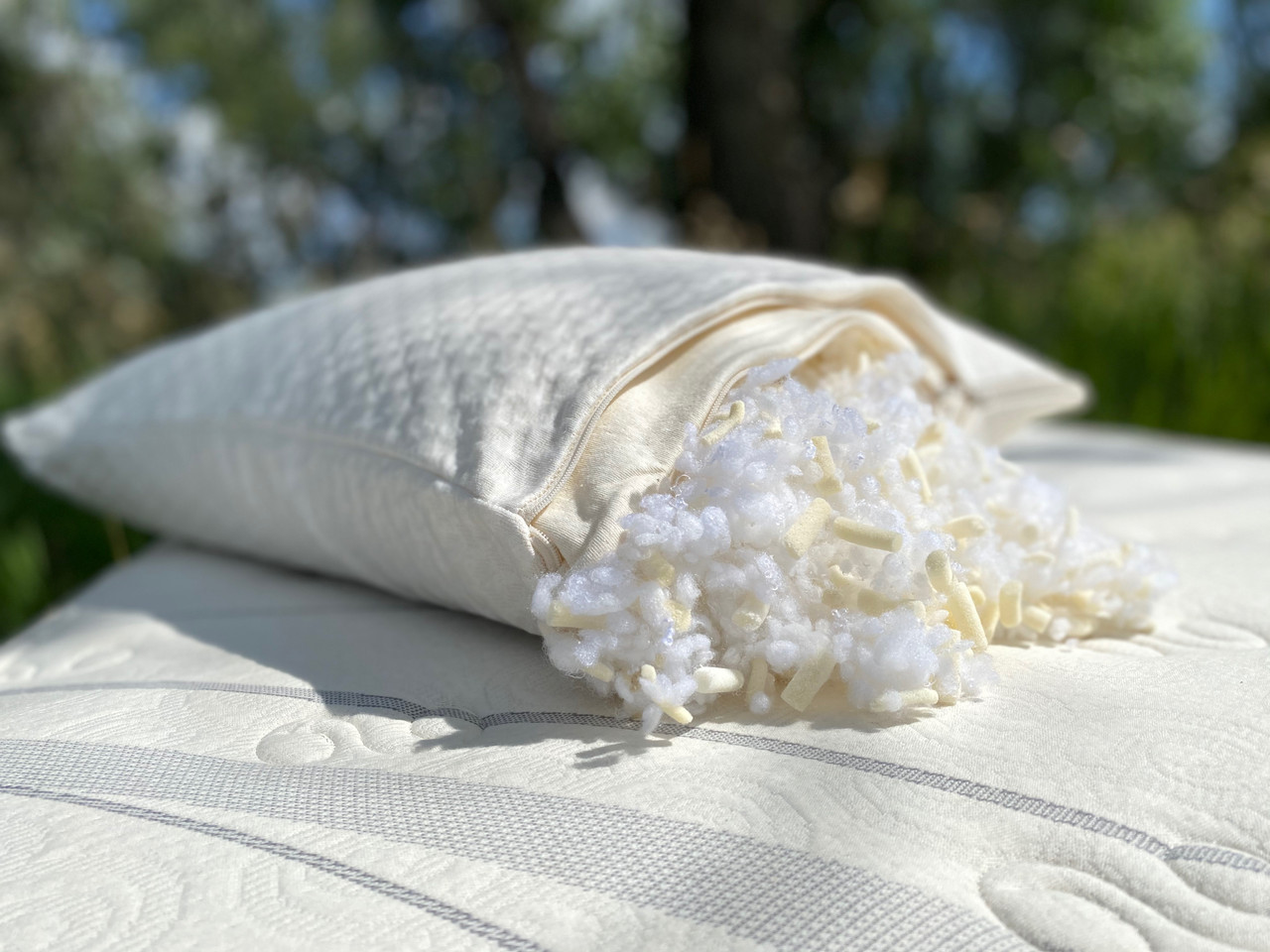
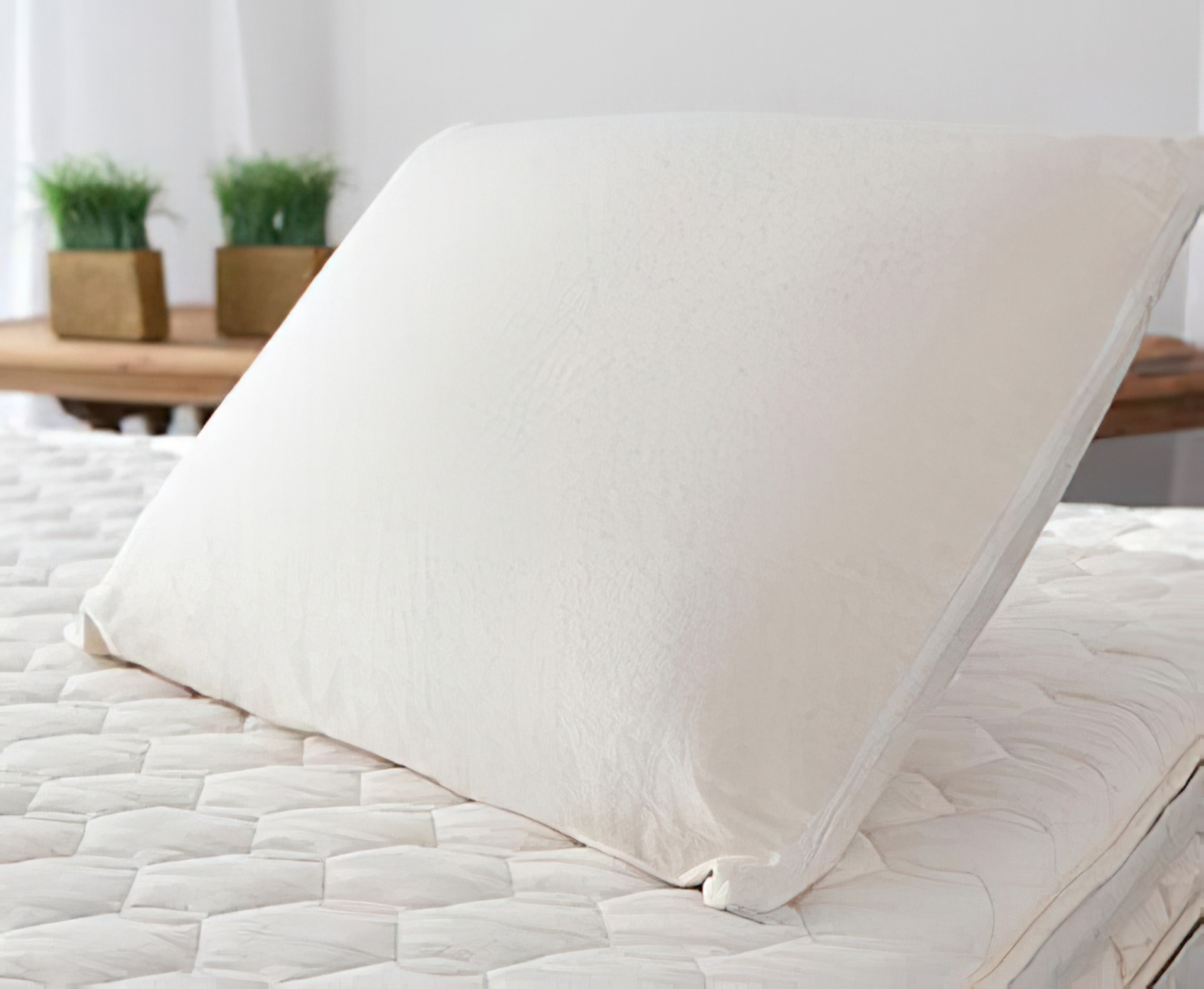
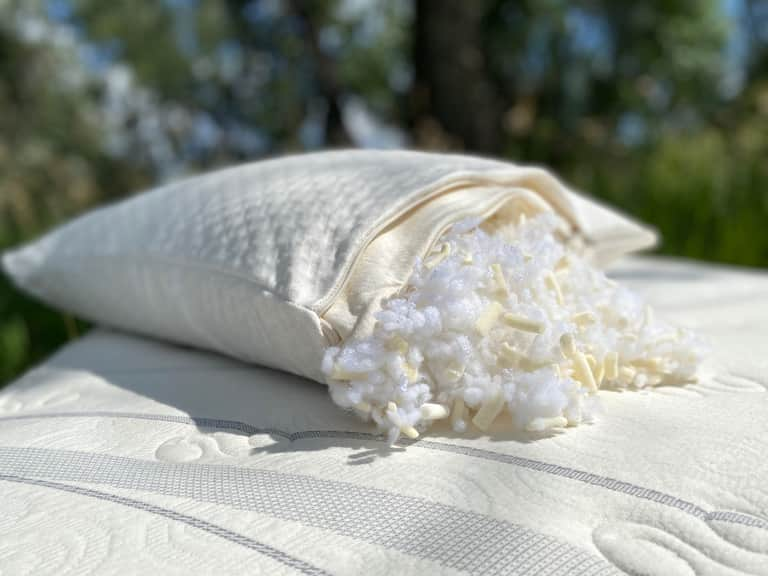
Product spotlight: Suite Sleep Shredded Latex-Tencel Blend Pillow. A supportive, eco-friendly option featuring a breathable blend and customizable fill to suit side sleepers.
The Suite Sleep pillow highlights how a thoughtful blend of materials can balance breathable comfort with durable support. Tencel fibers, derived from responsibly sourced wood pulp, provide a soft touch and temperature regulation, while shredded latex adds resiliency and a customizable loft. For urban sleepers, a pillow that maintains loft without overheating is as crucial as an airy sheet set for a comfortable night’s rest.

Iconic Historical Perspectives on Sleep and the City
The relationship between sleep and urban life has long fascinated thinkers across eras. Three notable individuals illuminate how city living shapes our nightly rhythms:
- Charles Dickens (19th century): Through his vivid depictions of urban lodgings, Dickens captured crowded, shared spaces that echo the contemporary apartment bedroom. His portraits remind readers that sleep, even in the densest cities, is a personal sanctuary worth protecting against the noise of a busy street.
- Sigmund Freud (late 19th to early 20th century): Freud’s introspective explorations laid groundwork for understanding dream life as a lens into daily life. In the city, where stimuli are constant, the dream space becomes a vital refuge for processing modern experience.
- Virginia Woolf (early 20th century): Woolf’s reflections on urban isolation and intimate spaces evoke the importance of a restorative bed as a private stage where consciousness and creativity can unfold away from the bustle of city streets.
Three Time-Period Perspectives on Urban Sleep
The Victorian Urbanist
In the Victorian era, city dwellers faced crowded tenements and environments that demanded practical sleep solutions. Lightweight, breathable fabrics and careful shading were early acts of micro-architecture designed to carve quiet spaces from the metropolis. These historical echoes inform modern choices about sheet weight and light-blocking strategies in compact urban bedrooms.
The Early Modern Sleep Scientist
As circadian biology emerged, researchers emphasized the role of light exposure and melatonin in regulating sleep. In dense urban environments with artificial lighting, understanding how fabrics and bedding influence nighttime warmth and airflow becomes a practical extension of science—bridging lab findings with the everyday act of turning down the bed in a high-rise apartment.