Sleep Science · Mattress Construction
Natural Latex Organic Mattresses: How Layering Affects Firmness and Pressure Relief
A mattress can be described as soft, medium, or firm, but those labels tell only part of the story. In a natural latex mattress, layer order, thickness, and density shape how the bed yields at the shoulders and hips while holding the lower back in a supported position.
Published November 23, 2026
Two mattresses may use the same natural latex and carry the same firmness label, yet feel noticeably different once a sleeper lies down. One may cushion the shoulders without allowing the hips to sink too far; another may feel buoyant and steady, or resistant at pressure points. The difference often comes down to construction: what each layer is made to do, how thick it is, and where it sits in the mattress.
That matters because “firmness” is not a single measurement of comfort. It is the result of a body meeting a layered support system. A mattress must respond to the shape and weight of the sleeper, distribute pressure, and keep the spine in a comfortable position. The goal is not simply to find the softest or firmest bed. It is to find a combination of cushioning and support that suits your body, sleep position, and preferences.
Natural latex organic mattresses are often built from multiple layers that can be arranged or exchanged to alter the feel. Understanding the logic of those layers makes comparison more useful—and helps explain why a mattress that feels right in a showroom or on paper may not suit every sleeper.
What a latex mattress layer does
In a layered mattress, each section contributes to the overall response. The uppermost layer is usually the first to compress under the body. It can provide initial cushioning and help reduce concentrated pressure around areas such as the shoulders, hips, and knees. Beneath it, one or more layers can transition from that surface give to deeper support. The base helps stabilize the mattress and limits how far the body sinks.
These roles are related, not isolated. A comfort layer that is too thin or too firm may not soften pressure where a sleeper needs it. A thick, yielding top layer can feel plush at first but may let heavier parts of the body descend more than desired. A firmer layer beneath can change how the upper latex behaves, so the sensation at the surface cannot be understood by looking at that layer alone.
Latex is generally responsive: it compresses under load and pushes back as the pressure changes. That springy quality can make it easier to shift position than on some slower-responding foams. But responsiveness is not a guarantee of a particular firmness. The latex formulation, layer thickness, and relationship between layers all influence the result.
Layer order changes the feel
When a mattress has layers of differing firmness, changing their order can alter how the sleeper experiences the bed. A softer layer at the top creates more immediate cushioning. Placing a firmer layer closer to the surface generally creates a more resistant initial feel, even if softer material remains below. The lower layers still matter: they affect the depth of compression and how the mattress supports the body as more weight settles into it.
Consider a mattress with a soft layer and a firm layer. With the softer latex on top, the surface may seem more accommodating. The body can compress the upper layer before meeting the firmer material below, creating a gradual transition. Reverse that arrangement and the firmer latex may be more noticeable from the first contact. The mattress may feel more lifted or stable, though the precise result depends on thickness, body weight, and the specific construction.
Layer order is therefore more than a technical detail. It is a practical adjustment that can change the balance between surface comfort and underlying support. If a mattress is designed for rearrangement, the ability to test different configurations may help a sleeper refine the feel over time. It is still important to check the maker’s guidance: not every mattress is intended to have its layers moved, and some designs rely on a particular sequence.
Why thickness matters
A thicker comfort layer gives the body more material to compress before it reaches a firmer layer beneath. For some sleepers, that extra depth can soften pressure at the shoulders and hips. A thinner comfort layer tends to bring the support layers into play sooner, which may produce a more immediate, firmer sensation.
Thickness does not operate independently of firmness. A thin soft layer over a firm core may feel quite different from a thick soft layer over the same core. A thicker layer can also respond differently across body areas: the shoulder may press deeply into the mattress while another part of the body exerts less force. The question is not simply how many inches of latex are present, but how the full stack responds when your body is on it.
Shoppers comparing natural latex mattresses should look for clear information about the number of layers, the thickness of each, and the firmness or density description of every component. If those details are not available, ask the retailer or manufacturer what is in the mattress and whether the arrangement can be changed. A product label alone cannot tell the whole construction story.
Firmness is a sensation, not a universal scale
Firmness ratings are useful as a starting point, but they are not perfectly standardized across manufacturers. A “medium” mattress from one maker may not feel like a “medium” from another. Even within one mattress, different sleepers can have different impressions because they do not load the layers in the same way.
Body weight is one important part of that interaction. A lighter sleeper may compress the upper layers less and experience a bed as firmer. A heavier sleeper may compress them more and feel more of the deeper layers, which can change the perceived balance between cushioning and support. This is not a rule that predicts everyone’s preference; it is a reason to treat firmness labels as descriptions rather than guarantees.
Body shape and proportions also matter. Two people at the same weight may distribute pressure differently across the mattress. The width of the shoulders, the curve of the hips, and preferred sleeping posture all influence where and how deeply the latex compresses. That is why a mattress selected solely by a number or generic recommendation can disappoint.
Matching layers to your sleep position
Sleep position offers a useful framework for thinking about pressure and alignment. It does not dictate one ideal mattress, but it can help identify where cushioning or steadier support may be most important.
Side sleepers
Side sleeping concentrates pressure around the shoulders and hips. If the surface is too firm or the comfort layer too thin, those areas may feel compressed. A more cushioning upper layer can help distribute contact, while the layers beneath need to prevent the torso and hips from sinking excessively. The right balance depends on body size, shoulder width, and personal tolerance for a softer surface.
Back sleepers
Back sleepers often look for a surface that supports the lower back while allowing the hips and shoulders to settle naturally. If the mattress feels too soft overall, the pelvis may sink more than is comfortable. If it is too firm for the sleeper, the surface may not accommodate the body’s contours. A supportive core with a moderate amount of surface give is one possible arrangement, but individual comfort should guide the decision.
Stomach sleepers
Stomach sleepers may be especially attentive to how far the midsection sinks. A more supportive configuration can help limit excessive sagging, though a surface that is uncomfortably hard can still create pressure. People who sleep in more than one position may need to weigh these needs against the cushioning required when they turn to their side.
Combination sleepers
People who change positions during the night often value a mattress that makes movement feel easy while still cushioning pressure points. Latex’s responsive feel may be appealing to some combination sleepers, but the arrangement must also suit the positions they use most. Think of the position in which you spend the greatest portion of the night, then consider how the mattress feels when you roll into others.
Pressure relief and support are partners
Pressure relief is sometimes treated as a synonym for softness. The distinction is important. A mattress can cushion the body, but if it does not support the sleeper in a comfortable position, that plush first impression may not remain comfortable through the night. Conversely, a mattress that offers a stable base may still feel harsh if the upper layers do not accommodate the body’s contact points.
In a well-matched construction, the upper layers soften concentrated pressure while the deeper layers resist excessive sinking. The transition between those functions matters. If the mattress moves abruptly from a soft top to a very firm layer, some sleepers may notice a distinct change in resistance. A more gradual transition may feel more even, depending on the layer design and the sleeper’s body.
Pressure relief is personal and cannot be guaranteed by a material description. “Natural,” “organic,” and “latex” describe materials or sourcing claims; they do not automatically establish that a mattress will relieve pressure for every body. Evaluate construction alongside your own comfort experience, and treat claims about pain or medical outcomes cautiously.
A practical way to compare mattress construction
When evaluating a natural latex organic mattress, move beyond the headline firmness rating. A short checklist can make product descriptions easier to interpret:
- List the layers. Note the material, thickness, and stated firmness of each layer from top to bottom.
- Ask whether layers can be rearranged. If they can, confirm which configurations are recommended and whether the mattress cover accommodates them.
- Check the return or comfort-adjustment policy. A trial period, exchange option, or layer adjustment may matter when the mattress is difficult to judge in advance.
- Consider your usual position. Identify where you feel pressure and whether you need more surface cushioning or a steadier feel.
- Account for your body and preferences. Weight, proportions, and tolerance for a buoyant or firm sensation all affect how a mattress feels.
- Check the foundation requirements. The base beneath a mattress can influence support and durability; follow the manufacturer’s instructions.
- Look for transparent material and certification information. Verify what a certification applies to, rather than assuming that a broad product description covers every component.
If you can test a mattress, give yourself enough time to settle into your usual position. A few seconds on the edge or a brief showroom impression cannot fully reproduce a night of sleep. Pay attention to whether your shoulders and hips feel crowded, whether your midsection feels supported, and whether changing positions feels natural. Where a trial period is available, use it to observe patterns over several nights rather than making a decision from a single moment.
Organic claims and construction details
The word “organic” can refer to certified materials, but it does not explain how a mattress will feel. Certification language should be read carefully: determine which material or stage of production is covered and whether the description applies to the entire mattress or only particular components. Latex type, processing, cover fabric, and any other materials may each have separate specifications.
Likewise, natural latex is not a firmness category. A mattress made with natural latex can be built in a wide range of configurations. Buyers who care about sourcing and buyers who care about pressure relief are asking related but different questions. A complete comparison considers both: what the mattress contains and how its layers are likely to perform for the person sleeping on it.
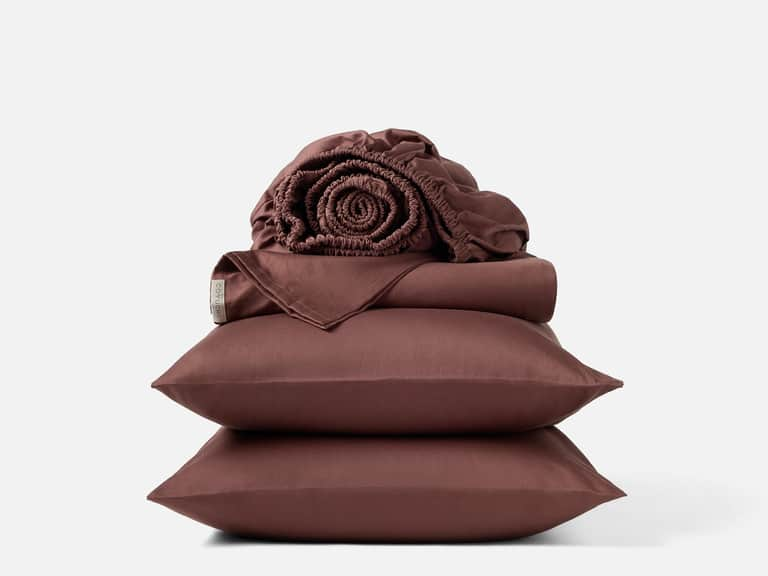
For the surrounding sleep environment, a breathable sheet can affect the feel of the surface against the skin, though it does not change the mattress’s underlying support. For example, the Cloud Soft Organic Sateen Sheet Set is made from GOTS-certified organic cotton and has a smooth, weighty drape. Bedding is best considered a finishing layer, not a substitute for choosing a mattress whose construction suits your needs.
Common comparison mistakes
One frequent mistake is assuming that a higher firmness rating automatically means better support. Support is about how the mattress carries the body in a comfortable position, not just how resistant it feels at first contact. Another is choosing a mattress based only on a preferred position without considering body weight, shape, and the amount of time spent in other positions.
It is also easy to overfocus on the top layer. The uppermost latex shapes the initial sensation, but it works in concert with the layers beneath. A soft top layer over a very firm base may feel unlike the same top layer over a more yielding transition layer. Reading the complete construction is more informative than comparing one material specification in isolation.
Finally, no material or label can promise a perfect night. Sleep quality is affected by many factors beyond the mattress, including schedule, temperature, stress, noise, and health. A good mattress choice can contribute to comfort, but it should not be presented as a treatment for a medical condition. Persistent pain, numbness, or sleep disruption deserves discussion with a qualified health professional.
The useful question: what should the mattress do for you?
Choosing among natural latex organic mattresses becomes clearer when the question shifts from “Which firmness is best?” to “Where do I need cushioning, and where do I need resistance?” A side sleeper may prioritize more give at the shoulder and hip. A back or stomach sleeper may focus on limiting excessive sink through the torso. A combination sleeper may want a responsive surface that accommodates different positions without feeling unstable.
Layer order and thickness provide a way to tune those competing needs. A softer upper layer can change the first impression and offer more cushioning; a firmer layer nearer the surface can make the mattress feel more immediately supportive. The deeper layers determine how the mattress responds as the body settles in. These are broad tendencies, not a formula, and the final result depends on the complete construction and the person using it.
Before choosing, compare the full layer specification, ask about adjustment options, and consider how your body actually meets the mattress. The most useful firmness is not the one printed on a label. It is the configuration that feels comfortable to you while providing the balance of pressure relief and support you want, night after night.