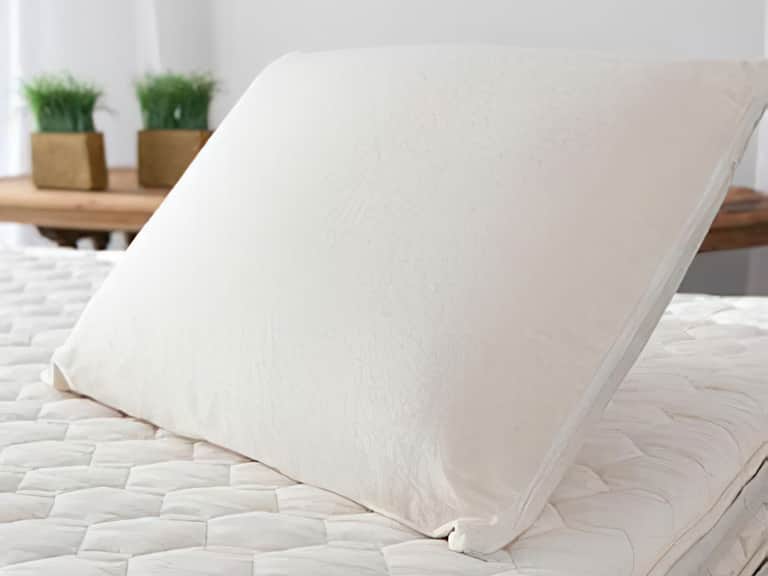
Latex, derived from natural rubber or synthetic alternatives, offers a distinct combination of resilience, breathability, and support for sleep surfaces. This category focuses on the properties of latex used in bedding components such as pillows, mattresses, and toppers. Understanding density, firmness, and cell structure helps distinguish latex products for personalized comfort and long-term durability.
One key feature of latex is its responsive support, which adapts to body contours while maintaining initial support. This makes latex suitable for varying sleep positions and spinal alignment needs. Alongside comfort, latex resists compression set, helping to retain shape and provide dependable performance over time in bedding components like pillows and toppers.
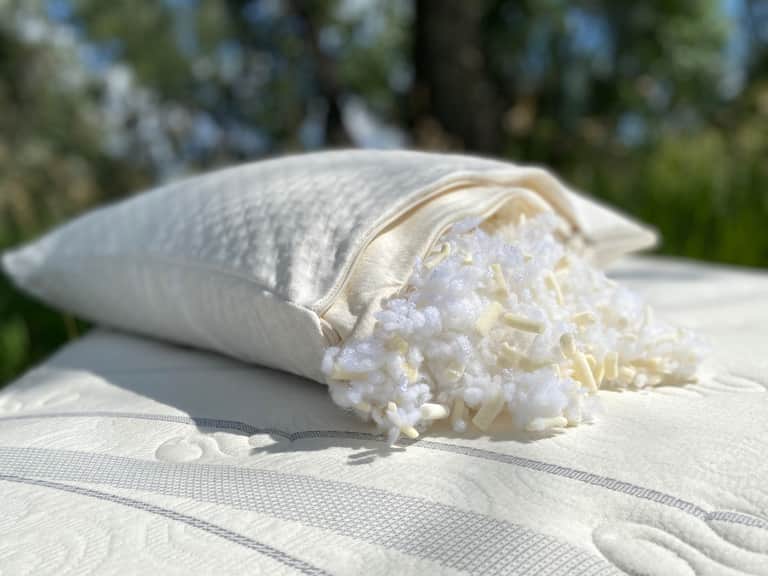
In latex pillows, materials like organic latex and soap-shaped designs may offer improved air circulation, temperature neutrality, and pressure relief. The Savvy Rest Organic Latex Soap-Shaped Pillow exemplifies how contour and resilient materials can support neck and head alignment while remaining breathable throughout the night.
Breathability and moisture management are important when evaluating latex bedding. The natural pin-core structure promotes airflow, aiding heat dissipation and reducing humidity build-up. For sleepers seeking allergy-conscious options, latex tends to resist dust mites and provides a hypoallergenic foundation for a restful night’s sleep.
When selecting latex bedding components, consider factors such as pillow shape, firmness rating, and cover material, as these influence comfort and support. The inclusion of products like the Savvy Rest Organic Latex Soap-Shaped Pillow showcases how contour, firmness, and natural materials can contribute to a balanced sleep environment within the bedding category. Keywords: bedding, sheets, pillows, contour, latex.
 Bedding